
As a user of the internet, you see ads all the time–-in a Google search, on Instagram, when hunting for jobs on LinkedIn–and you think, “those must be working for somebody.” You might be interested in trying digital ads for your business for the first time or you’re already running ads but their value is yet to be seen. Any investment into a new marketing tactic is a risk, and it’s only fair that you want to know, how long will it take before I know my ads are working?
Look out! Typical marketing answer incoming in 3…2…1… It depends!
All jokes aside, digital advertising is like a science experiment, and you shouldn’t jump to any conclusions without collecting data first. Let’s discuss the different variables that impact success and timelines for ad campaigns, plus specific intel on channels like Google, Meta, and LinkedIn.
What is the “Learning Phase”?
Digital ads platforms like Google, Meta, and LinkedIn use complex algorithms to automatically bid on and purchase ad space. While advertisers have some control over the bidding process, for example by defining a target audience or selecting keywords, much of the ‘when’ and ‘where’ ads appear is a result of the platform’s hidden data-driven rules and machine learning.
 Keyword: data-driven. The platforms put your ads out in the world and then make minute adjustments to bidding based on the data returned. As you might imagine, when there’s a brand new ad or campaign, the first bit is a little like throwing spaghetti against the wall to see what sticks. The platform evaluates the patterns and goes back to the ad marketplace with more specific parameters.
This spaghetti period is called the “learning phase,” and whether they tell you or not, every digital advertising platform has one.
What happens during the learning phase has a huge impact on the long-term success of your ads. Platforms will identify the best placements, audience behaviors, creatives, etc., shaping your ad strategy and stabilizing performance when the campaign exits the learning phase.
It’s important to note that new campaigns aren’t the only time you will go through the learning phase. It can also be triggered by major edits to your ads and budget or long periods of dormancy for the campaign/advertising account as a whole.
Ok, but how long is the Facebook ads learning phase? Google? LinkedIn?
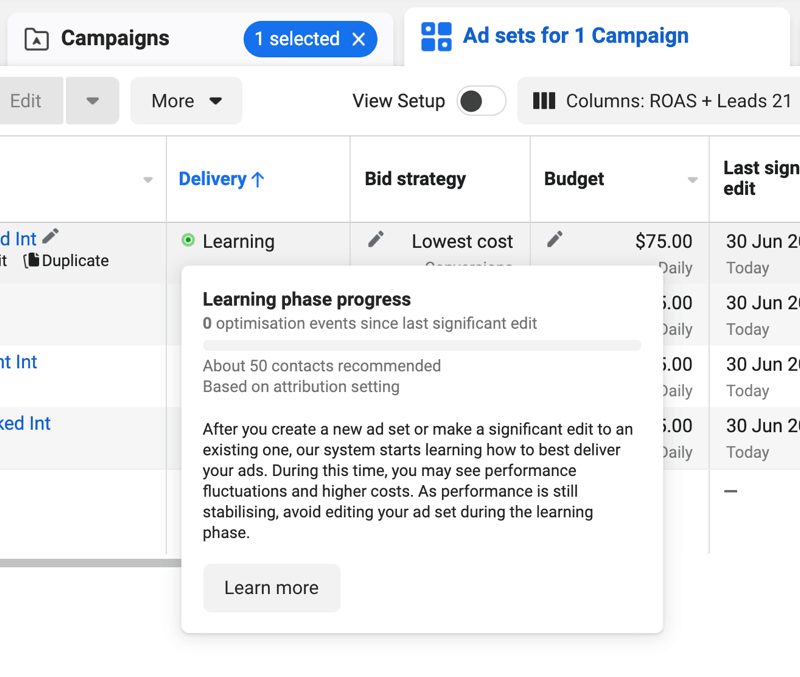
Of course, it depends 🙄, but as a general rule of thumb, your campaign will need to reach a threshold of 50 conversion events before it exits the learning phase. Those “conversions” could be clicks, video views, leads, purchases, etc. Typically, this lasts 7-30 days, but it can go longer if your conversions are sporadic. For example, you’ve generated 50 conversion events but only 1 or 2 every week.
What to Do (and NOT Do) While You Wait Out the Learning Phase
Here are some tips for how to avoid getting stuck in the learning phase:
Do:
- Fund the goal you picked… now is not the time for a $1/day budget.
- Set up tracking on your website so the advertising platform can receive conversion data.
- Check results and look for patterns.
Don't:
- Make frequent, large edits like bid strategy swaps, big budget swings, or major targeting changes.
- Rotate in meaningfully different creative.
- Pause the campaign or remove ads.
5 Variables That Impact Ramp Time
Even after you make it through the learning phase, the success of your ads can still fluctuate. The amount of time it takes for results to become stable is impacted by 5 key variables in the campaign setup.
Budget: Digital ad buying is a game of math. A smaller budget means the platform can run fewer experiments at once, therefore extending the time it takes to learn and stabilize performance. A larger budget means a greater collection of signals, not only making learning faster but also making your data more statistically significant. Every business and its advertising objectives are different, but it’s important to provide a healthy budget for these early stages, even if you plan to reduce it later.
We typically recommend that our advertising clients start with no less than $1,500 per month. It’s not impossible to have success with less, but your timeline may be longer and your results less consistent.
Objective: What is the goal of your ads? Impressions (aka eyeballs) are much easier to get than purchases. Typically, the further down the funnel your objective is, the longer you will need to run your experiment before you’ve collected enough data to conclude success.
While the most successful advertising accounts run concurrent campaigns for each stage in the user journey, starting at the top of the funnel is a good way to “teach” the platform about your ads and audience in a short time. Brand awareness campaigns can gain enough data to stabilize in as little as 2 weeks. Most objectives fit into one of 3 stages:
- Brand Awareness: impressions, reach, video views
- Traffic & Engagement: link clicks, likes/reactions, phone calls
- Conversion: leads, adds-to-cart, purchases, downloads
Audience Size: Every unique individual within your audience parameters is an opportunity to gain data. The smaller your audience, the smaller the resulting data set the platform can use to adjust strategy and vice versa. If you’re going after a very narrow audience, like parents of pre-schoolers in a 5-mile radius of your town, you can expect it to take longer for ads to stabilize.
That doesn’t mean your audience should be massive and broad either. A broad audience will successfully gain data faster and exit the learning phase sooner; however, the quality of your results is likely to be lower. It’s easy to maximize “eyeballs” on an ad, but if they aren’t the right eyes, you are wasting ad spend.
Instead, take the middle ground, ensuring you use the most essential audience attributes without getting too deep into the details. Most platforms show an estimated audience size as you build out parameters. Aim for at least 10,000 users and know that you can always narrow or broaden later.
Competition: Some industries, like financial services, law, or hotels, tend to have a lot of competitors bidding in the ad space, which means you may win fewer placements and therefore get less data. There are a few ways to solve this.
One is with patience. If you’re in a competitive market, it will just take longer for your ads to be shown enough times for the platform to exit the learning phase, and that’s ok. Another is by out-bidding your competitors (aka increasing your budget), but this isn’t always realistic. The last is to find the niche your competitors aren’t using yet. For example, if your Google Ads competitors are all going after the keyword “hotels in Maine,” then you go after “hotel with an indoor pool.” The search volume may be lower but with less competition, you’re more likely to win ad space.
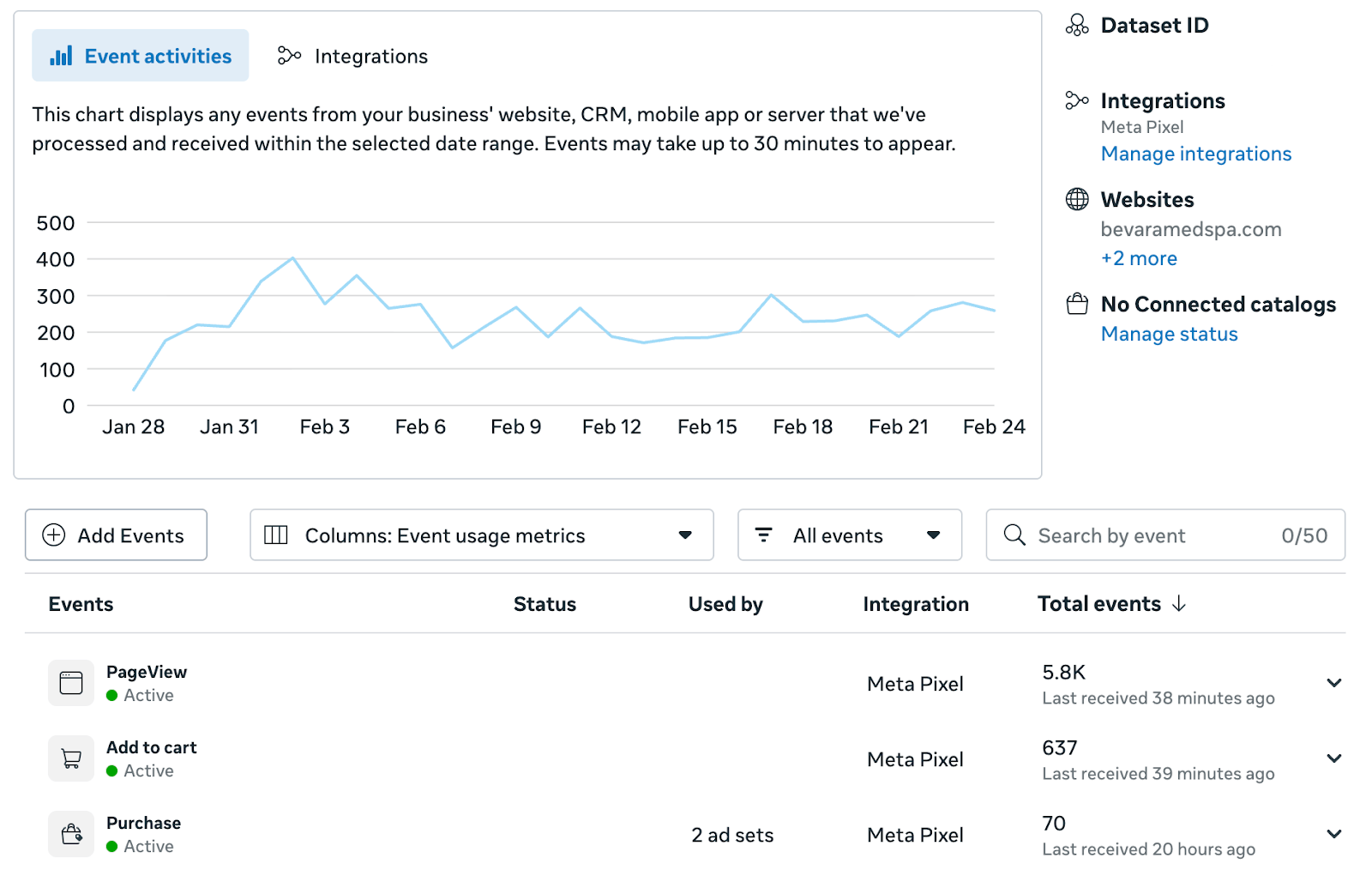
Signal Quality: We’ve mentioned data a dozen times in this article already, but it can’t be overstated how important data collection is to ad performance. For signals that happen within the advertising platform itself, like impressions on Google or likes on Instagram, data will automatically be collected and used to improve ad strategy. But anytime your ad takes the user away from the platform, most commonly to your website, you’ll need to make sure the right data is getting returned back to the platform. How long are users staying on your site? Are they engaging? Are they converting? It’s hard to optimize for a specific action if you can’t see it happening!
Depending on the platform you’re advertising through, you’ll need to install a Meta Pixel, LinkedIn Insight Tag, or Google Tag in your website’s code. This is best done through Google Tag Manager so all your data collection code can be managed in one place. Take it to the next level by creating custom events that you can use as objectives in your ads or create retargeting audiences.
But Really, How Long Does it Take for Ads to Work?
There’s a reason why our minimum advertising contract for new clients is at least 6 months. Yes, we might be experts in Google, Meta, and LinkedIn ads, but importantly, we can’t predict how the humans seeing those ads will respond. You may be able to exit the learning phase in less than 30 days, but that doesn’t guarantee the results you’ll see at day 31 will be similar to what you see at day 101.
Just look at how long it took for the Cost Per Click to stabilize for this Meta Ads client. They were a brand new local business, so we had to make a lot of educated guesses around what types of offers would work well and which audience demographics would perform best for them. At the same time, Meta was continually collecting data, understanding minute details like time of day to serve ads, what other content to serve them alongside, and what kind of social behaviors indicated a good match.
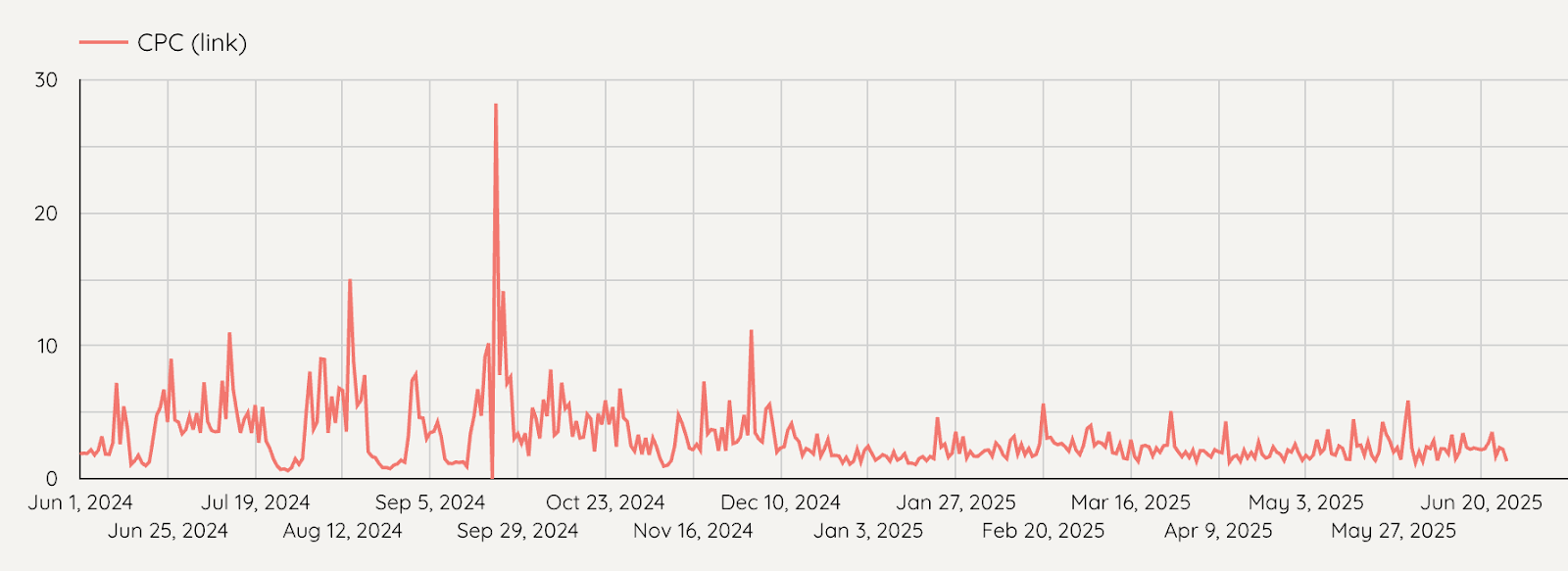
For the first seven months, CPC fluctuated greatly, only leveling out by month eight. Meta was learning, and so were we as the advertisers. But the patience has paid off, and at the two-year mark of their advertising, they hit 370% return on ad spend. 🤩
All that said, we recommend running ads for no less than 3 months when you’re starting out, and ideally more. That doesn’t mean you can’t adjust during that time, but don’t abandon ship (or set it and forget it).
How to Measure Success with Your Digital Ads
If it isn’t already clear, data is huge. And we won’t lie, digital ads aren’t the right choice for every business. So you need to know the indicators that say onward and the ones that say time out. The most important indicators will change as you get deeper into your advertising, but here are some metrics to think about during each phase.
Early signs: In the first two weeks of a campaign, focus on delivery. Are my ads getting out in the world? Impressions or reach are the main KPIs for this question. If the volume of eyes on the ads is low or sporadic, it’s a good sign your budget is too low or your keywords aren’t right.
Middle phase: After 2 weeks, start looking at action rates like click-through rate, engagement rate, or conversion rate. While not always the best long-term tool for measuring success, Wordstream offers industry benchmark data for most advertising platforms that you can compare your metrics to. Most importantly keep an eye on how these metrics increase, decrease, or plateau over time. Remember we’re looking for things to level out so we can decide, “I’d be happy if things continued like this,” or “I can’t picture this working for the long term.”
Optimization phase: Keep tracking the above metrics but after 3 months have passed, you can begin thinking about value through metrics like Cost per Click, Cost per Lead, Return on Ad Spend, etc. You know your business’s finances best, so decide what your unique thresholds are for success. Tweak ads and watch for changes. If by 6 months in, you don’t feel like meaningful progress has been made, it might be time to set ads aside or head back to the drawing board with a new campaign.
Plan, Experiment, and Analyze Ads
So, how long do ads take to work? Long enough that you need a plan.
The learning phase is the messy–but necessary–part where the platform (and you) gather enough data to make smarter decisions, and the timeline is heavily influenced by your budget, objective, audience size, competition, and signal quality.
If you take anything from this, let it be this: don’t judge a brand new campaign by day-three results, and don’t keep a bad campaign running purely out of hope. Define your risk tolerance upfront, give the experiment enough runway to collect meaningful data, and use clear guardrails to decide whether to optimize, pivot, or start a new test entirely.
Sometimes ads fail, and that’s not a crisis—it’s data The marketers who win at digital ads are the ones who stay curious, measure honestly, and keep iterating until they find the message, audience, and offer combination that finally sticks.
No one is an overnight success at online advertising.
If you’d rather not run these experiments solo, flyte new media can help. We build ad programs with solid tracking, smart testing, clear guardrails, and the patience to let the data do its job.

Izzy joins flyte after moving to Portland in 2020, a city that is affably similar to her beloved Burlington, Vermont, with the added benefit of ocean air and fresh seafood. With a degree in English and a background in the nonprofit sector, she carries a curiosity for all things communications. From social media and email newsletters to website management and SEO, Izzy is involved. Reach out to Izzy today!