
There’s no denying that the rapid development and proliferation of AI is changing how we search the internet–and, in turn, changing Search Engine Optimization. In 2021, SEO was a $52 billion industry with at least 125,000 companies offering SEO services, so there’s a lot at stake…my own job included.
Luckily, I’ve moved past the stage of panic and into a place of understanding and, hopefully, growth. We now have real data to show how search behaviors and organic traffic have changed since AI entered the picture. Which means we have evidence on which to make some predictions about AI and the future of SEO.
Shall we take a peek into the crystal ball?

TL;DR (SEO Isn’t Dead, It’s Evolved)
Generative answers are accelerating zero-click behavior and shaving CTR when they appear, but SEO isn’t dead—it’s broader. Treat SEO + AI search optimization as one practice: write for people, structure for machines, and reinforce your entity across channels to grow AI visibility, branded search, and conversions.
What’s Actually Changed in Search?
Once upon a time, “big blue links” were at the center of SEO–everything you did was in an effort to rank #1, where the vast majority of organic clicks were made. Now, search engine results pages (SERPs) are far more dynamic and varied than a list of title tags and meta descriptions.
For years, we’ve watched answers creep into the results— featured snippets, People Also Ask, shopping results, maps, and knowledge panels. AI Overviews and other generative snippets are simply the next mile marker.
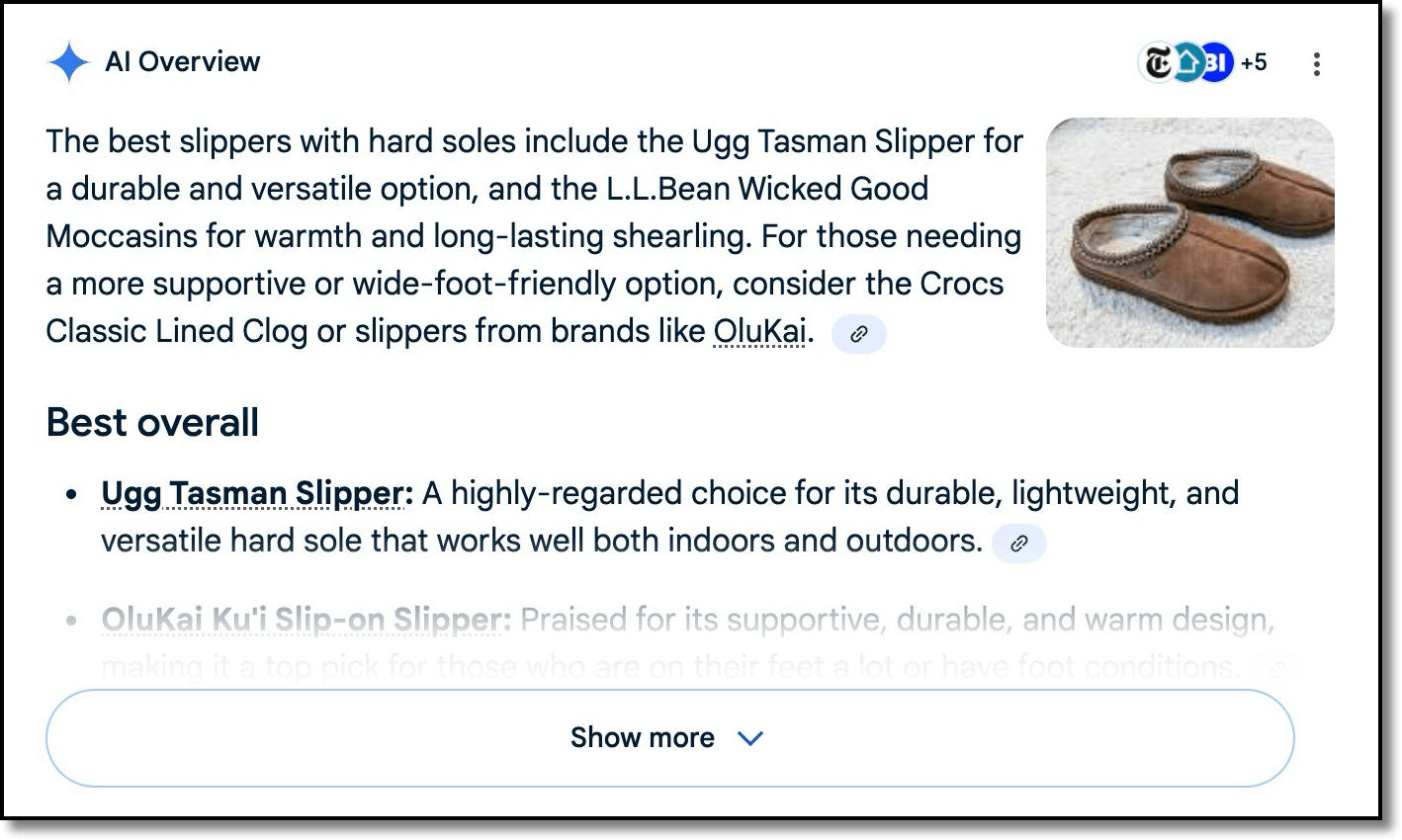
These features are designed for the same purpose as traditional ranking algorithms: to help the searcher find what they’re looking for faster and more easily. Less vetting of sources, less fumbling for the right term, less time spent clicking on results and then going back to square one.
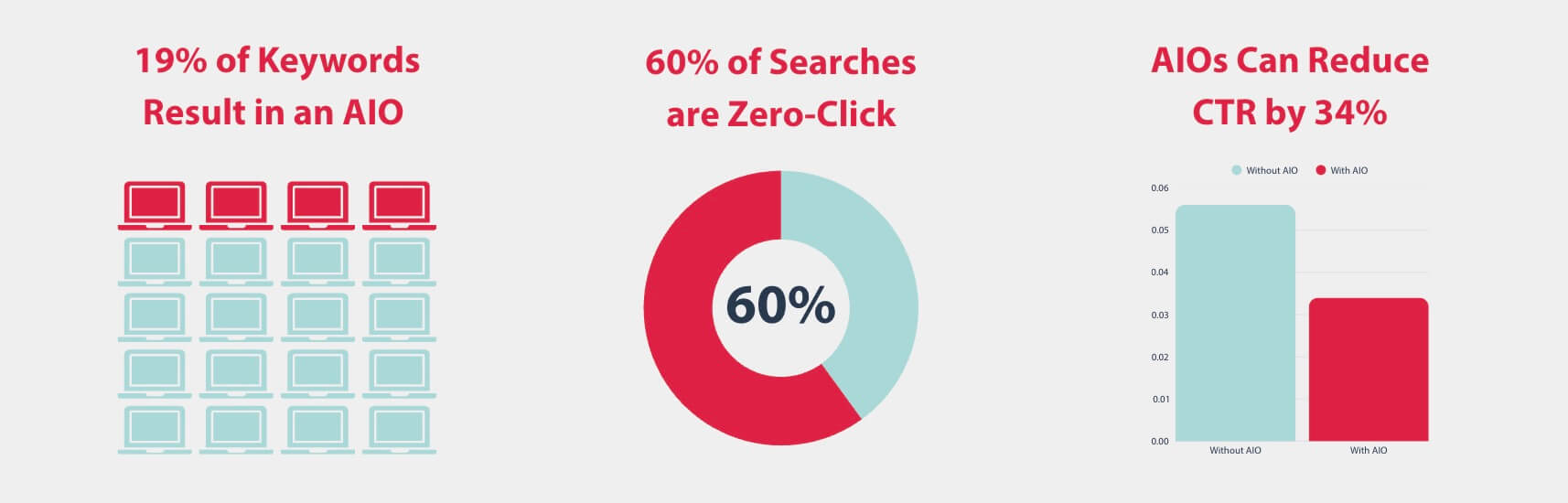
The effect of these AI features is familiar but louder: at least 19% of keywords now result in AI Overview, which can cause CTR to wobble by up to 34%. Overview or not, 60% of all searches now result in “zero-click” as more questions are resolved right on the search engine results page (SERP). All in all, less organic search traffic for your website.
What Is a Zero-Click Search?
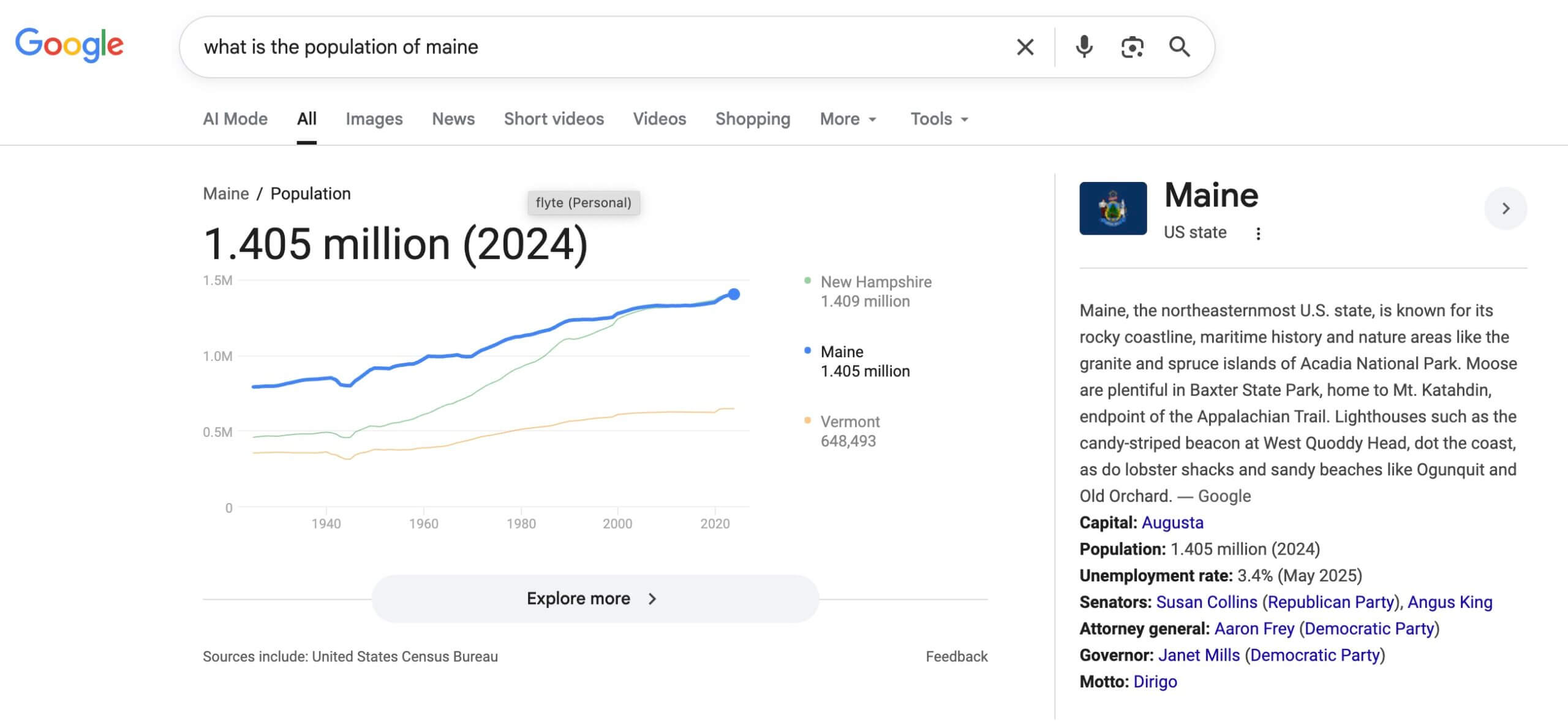
A zero-click search happens when the search results answer a user’s query without the need to visit a website. For example, if I search “what is the population of Maine,” Google will provide the answer in a knowledge graph or featured snippet. Sorry Wikipedia! The terms that are associated with zero-click are most often informational, meaning the primary goal of the search is to learn something.
Goodbye Google, Hello LLM
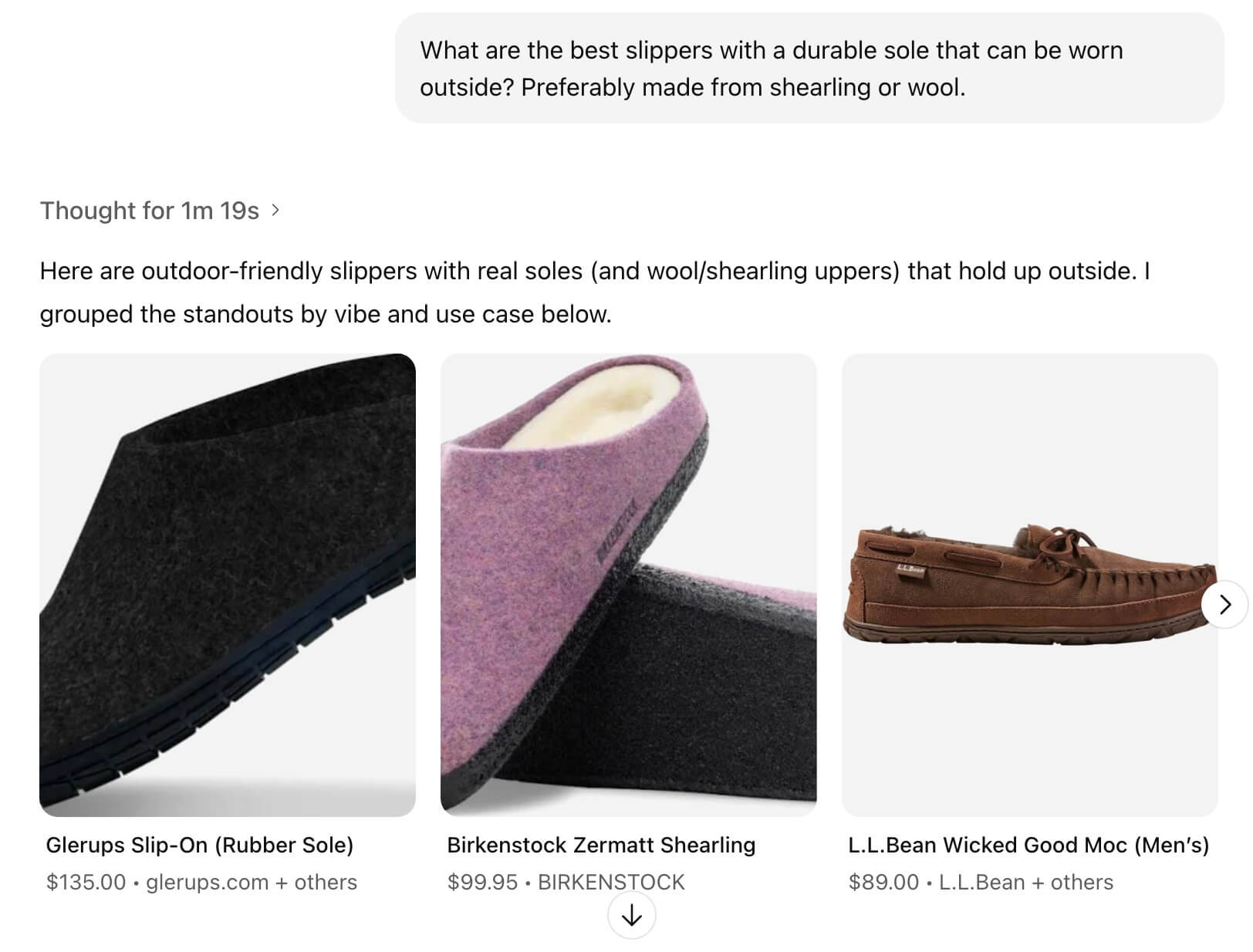
Of course, AI Overviews and other Google-integrated features are only a small part of how AI is impacting search. 38% of users in the US now use an LLM like ChatGPT or Gemini to search directly, and these platforms are even releasing their own AI search engines like Atlas. The generative engines offer a similar result as Google: curated answers and links for the user’s question, but with the addition of deep personalization and synthesized information.
You can type a longer question, with more detail and context–as you might in conversation with a customer representative or subject matter expert–and receive a response tailored to your specific needs and even conversation style.
So, Is SEO Dead?
Perhaps this feels like dire news to you, but let’s be clear, SEO is far from dead. First and foremost, we have to consider scale when we look at these AI performance metrics.
Organic search still accounts for more than half of all web traffic and drives 210x more visits than all the AI platforms combined. 8.5 billion searches are conducted on Google every day, and 95% of people who use LLMs to perform searches do so in tandem with traditional search engines.
Yes, AI has inflated zero-click search results, but it has also created high-intent, conversion-ready users. Businesses like Ahrefs have noticed that AI website traffic converts 23x better than traditional organic search traffic. The total traffic volume may be small, but the proportion of conversions is growing rapidly.
There’s no doubt that SEO is different today, but this isn’t the Vine shutdown of 2017 and abandoning this important channel now will only leave you further behind. The bar for earning a click is higher, and the way users arrive on our site “organically” is more diverse, but it’s still SEO.
So, what now?
Prediction 1: Search not Search Engines
There’s a lot of “redefining SEO” going on right now. But to be honest, I don’t care much about the differences of SEO vs GEO or whether there’s a new kid on the block called AIO. The problem with Search Engine Optimization is the middleman, the engine. Whether we’re talking about Google or LLMs, too much of SEO puts emphasis on how we should create and alter our content for the machines.
Screw that! If you want to successfully grow your organic traffic, you need to optimize for the search itself.
What does the user need, and how are you going to get it to them in a way that’s better than your competitors? Until the industry can make this shift in its thinking, it will always be stuck chasing search algorithms and AI optimization tricks.
There are no tricks! The man behind the curtain is just a man, and he needs to know where to find some good quality slippers that can stand up to his 8pm trips to the grocery store!
Prediction 2: Long Live Keyword Research
One of the biggest differences between search in the Before Artificial Intelligence Era (BAIE) and now is personalization. The algorithm that produces an answer, whether on Google or in ChatGPT, is not homogeneous. It accounts for previous searches, demographics, AI chat history, the subtle differences in question phrasing, and countless other unmeasurable variables to create a unique response.
How do we understand and then optimize for these hyper-personalized search experiences? What happens between you and ChatGPT is (mostly) private, so we can’t wait around for neat and tidy data on what people are searching for in large language models.
What we do have is keyword data, straight from the source, like Google Keyword Planner.
Humans are, well, human, and our needs are still much the same, even if we’re learning to use different tools to express them.
Keywords are still the best proxy for what those needs are. Good keyword research has little to do with figuring out some misshapen sentence that can use “shoe store near me,” and everything to do with your audience’s pain points.
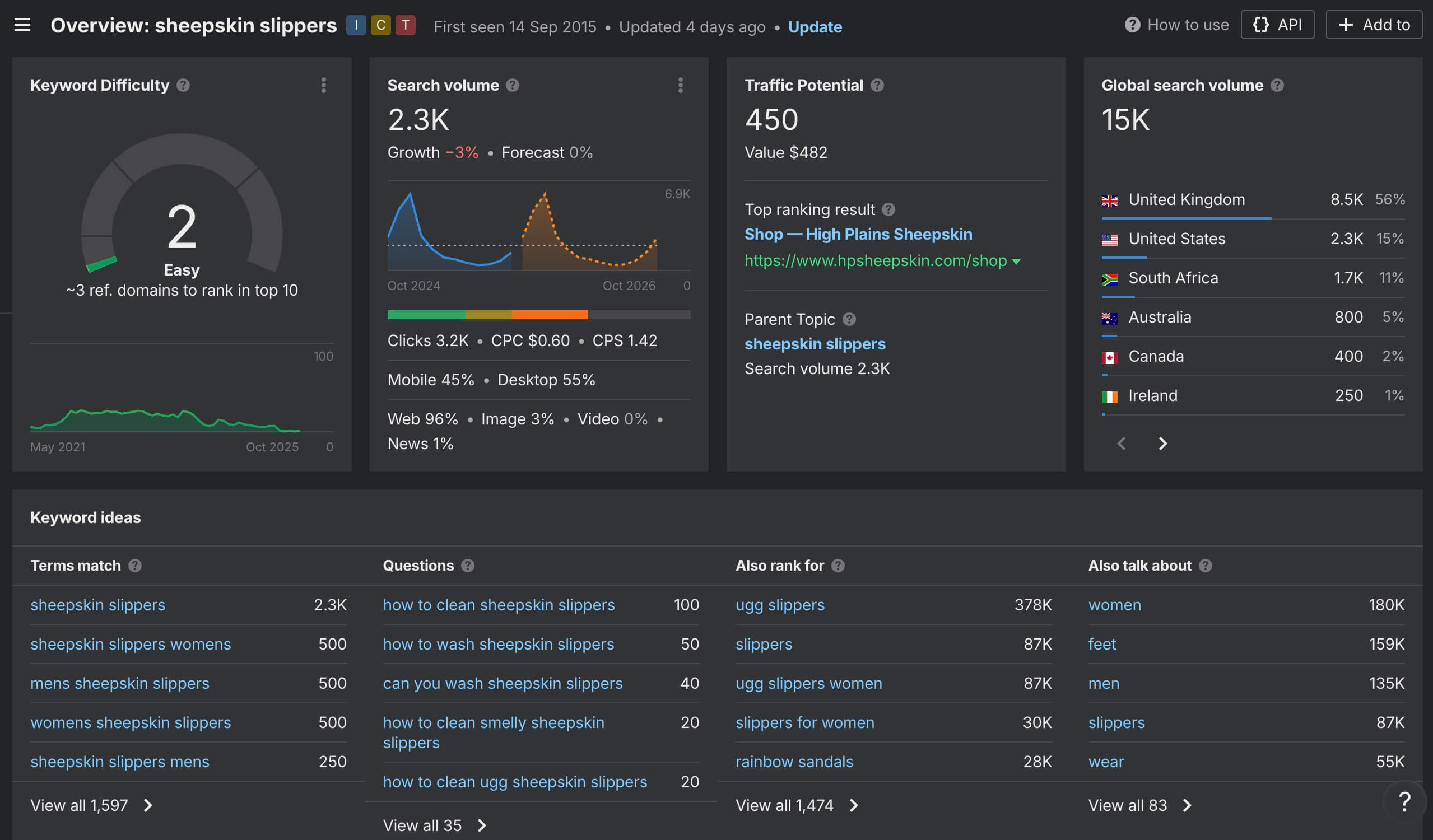
- Search volume helps us understand the level of demand for that product/service/piece of information.
- Current ranking data helps us evaluate what content is landing well with our audience.
- Keyword difficulty lets us know how crowded the market is.
- Related and matching phrases uncover the language that our audience is using and how it might differ from our internal lexicon.
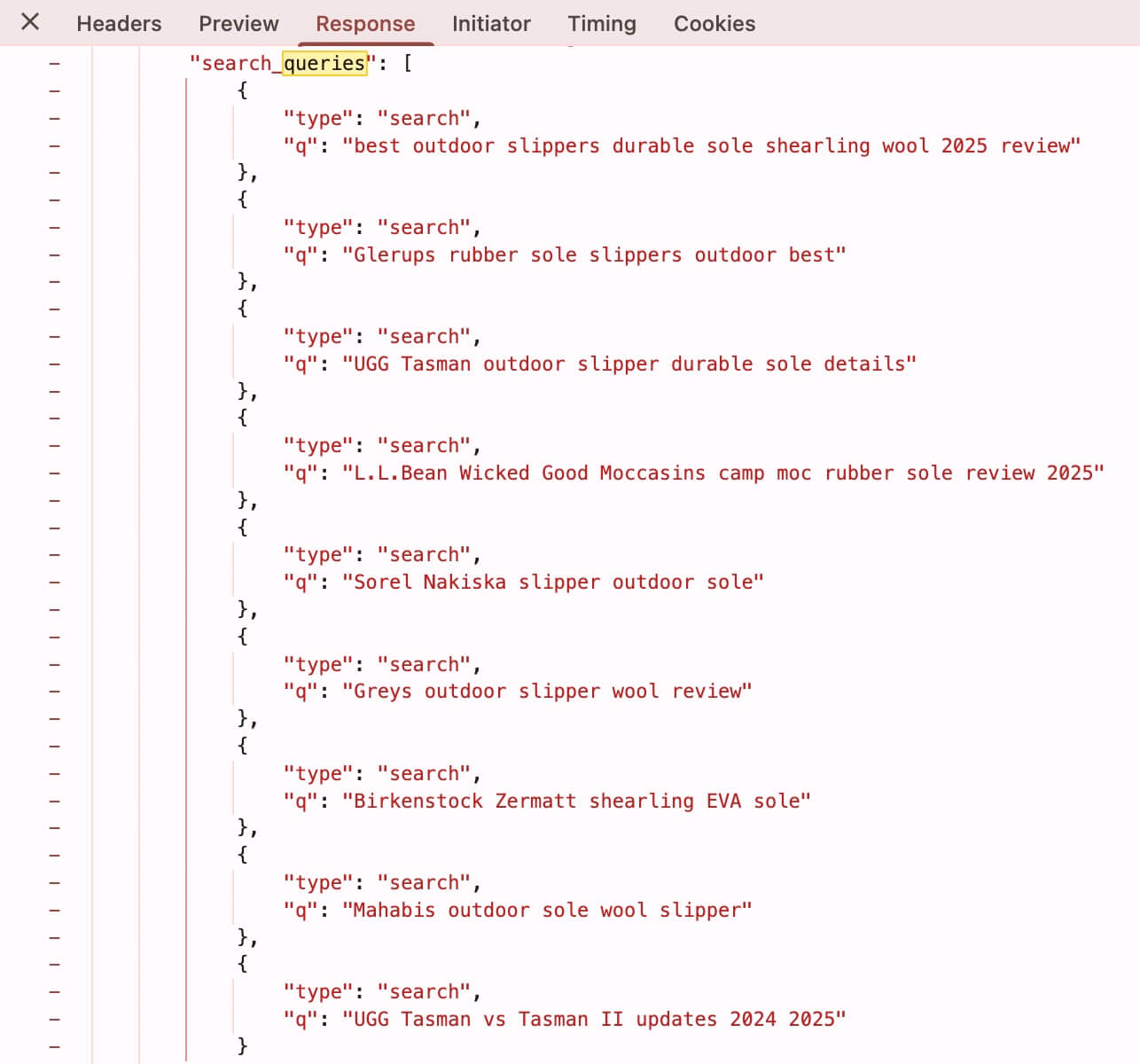
Plus, LLMs use these very same keywords when they perform “query fan out” to provide you with an answer.
Prediction 3: SEO is Omnichannel
For a long time, SEO was all Google this, Google that. I say no more!
 We can agree that when you take on an SEO campaign (or hopefully, a long-term SEO program), your goal is to increase your visibility on search–aka show up and rank well on Google. Well, I have news for you. The Internet is all connected ~~(ʘoʘ’)~~ and to show up in one place, you have to show up in others.
Your website is not the only source of information that Google or LLMs reference when deciding to cite your brand for a query. Like any good researcher, they cross-reference other sites to make a more informed decision about the quality and authority of your brand.
For example, Google Business Profiles might use Facebook or Yelp to pull data around business hours and address. YouTube videos are scraped to help serve relevant video content in search. Reddit and, more recently, Instagram are indexed by Google, showing up sometimes even above #1 organic results. And industry-specific directories like Houzz, Better Business Bureau, Clutch, and the Knot supply important data like customer reviews.
What is Omnichannel Marketing?
Omnichannel marketing delivers a consistent, connected customer experience across every touchpoint—search, social, ads, website, and beyond. For modern SEO, that unity matters: search engines and LLMs reward coherent, consistent entities and amplify sites that align messaging, technical structure, and UX with what users encounter in ads, social, and email. In short, strong omnichannel = stronger authority and better odds of being featured in AI answers and Google’s SERPs.
A recent report by Yext analyzed 6.8 million citations across different LLMs and broke down the types of sources used to generate answers. Review this data and how it differs by industry to understand the most relevant digital channels for your brand.
The modern SEO strategy cannot exist in a vacuum. It needs to account for and integrate with all platforms that your audience engages with. Start by understanding where your audience hangs out on the Internet, then optimize content across all those touchpoints.
Prediction 4: Don’t Discriminate Against Direct Traffic
As the strategy of SEO shifts, so too does the measure of its success. Can we really expect organic traffic to perpetually grow in a search landscape that favors zero-click experiences? Maybe not.
If we adopt an omnichannel approach to SEO, we accept that our website may not be the first, or even second or third place that a user encounters our brand. Thanks to AI and evolving SERPs, users often have a wealth of information about our company before they ever become a website visitor.
 If we’ve done a good job with SEO, an LLM may have served them our name in an answer, they may have checked out our Instagram profile, seen our listing on a directory site, or read about us on a Reddit thread. And finally, perhaps they go to Google with our brand name on their lips or they type our domain directly into their browser.
Direct traffic is a black hole of invisibility, and branded search queries are boring and predictable, but they could very well be the best indicators of a fruitful SEO strategy. They demonstrate improved brand authority, recognition, and trust–what more could a business hope for?
Conclusion
Zero-click searches keep rising, AI Overviews can dent CTR, and more people are using LLMs in addition to traditional search. Yet, the common denominators for “ranking” on either LLMs or traditional search are authority, clarity, and usefulness.
So, what should you do? Structure content so humans get answers fast, make it easy for generative engines to parse and cite, and connect your SEO to an omnichannel footprint that earns branded search and direct visits.
And if you need a partner ready to go boldly into the SEO future with you, get in touch with the flyte team. We tailor SEO plans to your unique business and always go beyond “best practices” to find new, innovative ways to improve your visibility and authority on the web.

Izzy joins flyte after moving to Portland in 2020, a city that is affably similar to her beloved Burlington, Vermont, with the added benefit of ocean air and fresh seafood. With a degree in English and a background in the nonprofit sector, she carries a curiosity for all things communications. From social media and email newsletters to website management and SEO, Izzy is involved. Reach out to Izzy today!